Understanding the Misconceptions About Homelessness and Campsite Cleanliness
- Pay It Fur-Ward
- Apr 13
- 3 min read
In discussions surrounding homelessness, one prevalent misconception often arises: the belief that homeless individuals do not care about cleanliness or the state of their campsites. This stereotype paints a negative picture of a vulnerable community, ignoring the complex realities they face. In truth, many homeless individuals want to maintain clean and organized living spaces, but various barriers prevent them from doing so—barriers we see firsthand every single day.
The Reality of Homeless Campsites
When we see discarded items, litter, and disorganized campsites, it is easy to jump to conclusions about the people living there. However, the reality is far more nuanced. Through our outreach, we’ve seen what actually happens when people are given the opportunity and resources to care for their spaces.
Lack of Resources
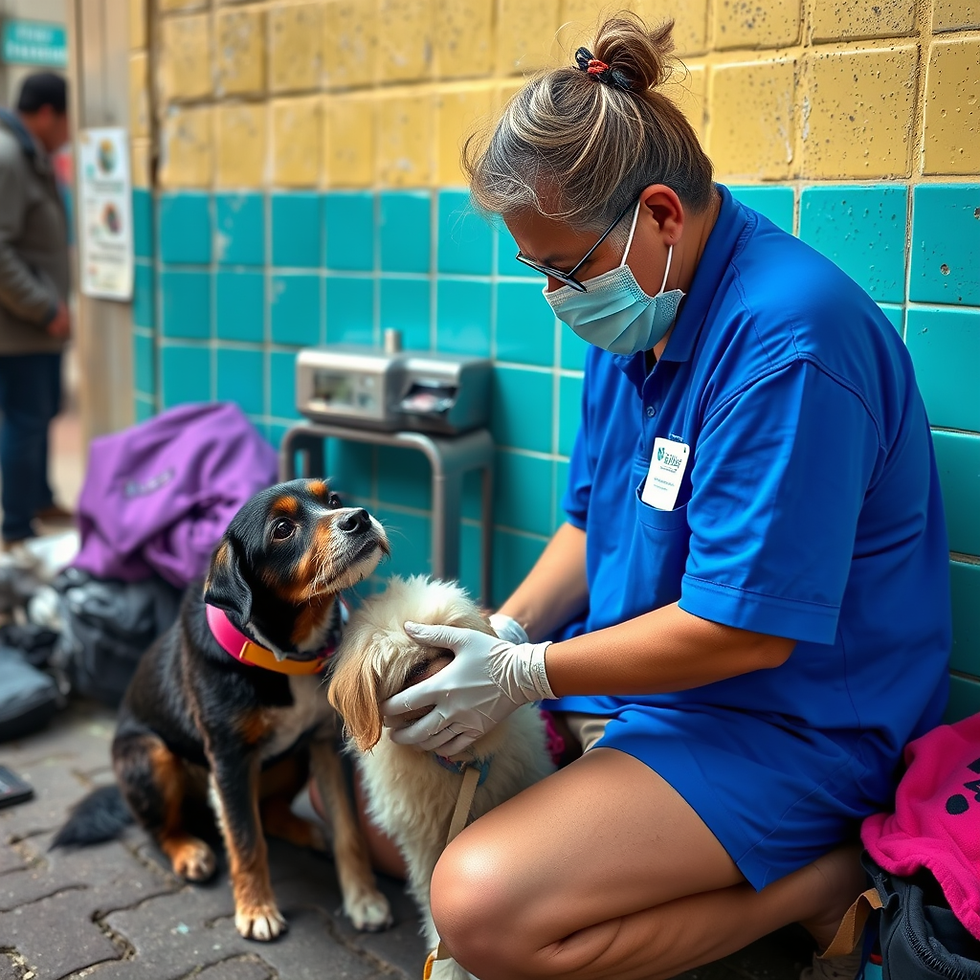
Many homeless individuals lack the basic resources needed to maintain cleanliness. Access to trash disposal, cleaning supplies, and hygiene items is often limited or nonexistent. This is why, during our outreach, we carry trash bags, hygiene products, and basic cleaning supplies alongside food and pet care items. When these tools are provided, people use them. Camps get cleaned, trash gets bagged, and spaces become more organized—because the desire to maintain cleanliness is already there.
Time Constraints
Frequent displacement is another major factor. Many individuals are forced to move quickly due to city ordinances or enforcement actions. In these situations, there is often no time to gather everything, let alone clean up. What gets left behind is not a reflection of neglect, but of urgency and survival. We regularly see how quickly someone’s environment can be disrupted, even after they’ve made efforts to keep it clean.
Desire for Cleanliness
It’s important to recognize that many individuals experiencing homelessness do care about their environment. We see this consistently. When we provide trash bags or supplies, people immediately begin cleaning their areas. They organize what little they have and take pride in their space. The issue is not a lack of care—it’s a lack of consistent access to the tools needed to maintain that care.
Changing the Narrative
To foster a more accurate and compassionate understanding of homelessness, we need to shift how we talk about cleanliness and campsites.
Educate the Community
Sharing real experiences from outreach helps break down harmful assumptions. When people understand the barriers—lack of disposal options, limited resources, and constant displacement—it becomes clear that the issue is not personal failure, but systemic gaps.
Advocate for Resources
If communities want to see cleaner environments, the solution is not enforcement alone—it’s access. Trash services, sanitation options, and outreach support make a measurable difference. We see it every time we hand out something as simple as a trash bag.
Support Local Initiatives
Organizations like ours are already working on the ground, providing not just essentials, but the means for people to care for themselves and their surroundings. Supporting these efforts allows us to continue bridging the gap between need and access.
The misconception that homeless individuals do not want to clean up their campsites is both inaccurate and harmful. Our work has shown us the opposite—people do care, and when given even the most basic tools, they act on that care. By recognizing the barriers they face and supporting efforts that provide real solutions, we can begin to change both the conditions on the ground and the narrative surrounding them.
Everyone deserves dignity, respect, and the opportunity to take care of their space—regardless of their circumstances.


Comments